
Stretching for Runners: Static vs. Dynamic – Prepping for the Army Run in Ottawa
Each September, thousands of athletes gather in downtown Ottawa to participate in the Canada Army Run, one of the city’s most inspiring races. Whether you’re preparing for the 5K, 10K, or half-marathon, proper preparation goes beyond logging miles. One of the most debated aspects of race training is stretching – static vs. dynamic stretching. Knowing when and how to stretch can make a major difference in performance, injury prevention, and recovery.
At CURAVITA Health Group (with clinics in the ByWard Market and The Glebe), we support runners of all levels with chiropractic care, physiotherapy, massage therapy, and custom orthotics designed for long-distance running. Here’s what you need to know about stretching strategies as you prep for Ottawa’s Army Run.
Dynamic Stretching: Best Before You Run
Dynamic stretching involves controlled, active movements that warm up your muscles and joints. Unlike static stretching, which focuses on holding a position, dynamic stretches get the blood flowing and prepare your body for activity.
5 Dynamic Stretches for Runners
-
Leg Swings
- How to: Stand next to a wall for balance. Swing one leg forward and backward in a controlled motion, gradually increasing your range.
- Reps: 10–15 swings per leg.
- Why it helps: Activates the hip flexors, hamstrings, and glutes — critical for stride length and running efficiency.
-
Walking Lunges
- How to: Step forward into a lunge, keeping your front knee over your ankle. Push off your back leg to step into the next lunge.
- Reps: 8–10 lunges per leg.
- Why it helps: Engages quads, glutes, and hamstrings while opening up the hip flexors.
-
High Knees
- How to: Jog in place, lifting your knees toward your chest as high as possible. Pump your arms in rhythm.
- Duration: 20–30 seconds.
- Why it helps: Increases heart rate, improves coordination, and activates hip flexors and core.
-
Butt Kicks
- How to: Jog in place, kicking your heels toward your glutes. Stay light on your toes.
- Duration: 20–30 seconds.
- Why it helps: Activates hamstrings and improves running cadence.
-
Hip Circles
- How to: Stand on one leg, raise the opposite knee to hip height, and rotate it outward in a circular motion.
- Reps: 8–10 circles per leg.
- Why it helps: Improves hip mobility and stability, reducing strain on knees and lower back.
👉 Think of dynamic stretching as a warm-up for your nervous system – getting your body primed to perform.
Static Stretching: Best After You Run
Static stretching means holding a stretch for 20–30 seconds without movement. It helps improve flexibility and promote recovery, but it’s not ideal before running because it can temporarily reduce muscle power.
5 Static Stretches for Runners
-
Hamstring Stretch
- How to: Sit on the ground with one leg extended and the other bent so the sole of your foot rests on your inner thigh. Reach toward your toes.
- Hold: 20–30 seconds each leg.
- Why it helps: Loosens tight hamstrings and prevents low back strain.
-
Quadriceps Stretch
- How to: Stand on one leg, pull the opposite foot toward your glutes while keeping knees close together. Use a wall for balance if needed.
- Hold: 20–30 seconds each side.
- Why it helps: Relieves tightness in quads, which often get overworked during long runs.
-
Calf Stretch
- How to: Stand facing a wall with one foot forward and the other back. Keep your back heel on the ground and lean forward.
- Hold: 20–30 seconds per leg.
- Why it helps: Reduces calf tightness and helps prevent Achilles tendon issues.
-
Hip Flexor Stretch
- How to: Kneel on one knee, step the other foot forward into a lunge position, and gently push your hips forward.
- Hold: 20–30 seconds each side.
- Why it helps: Opens up hip flexors, which get shortened during prolonged sitting and running.
-
Glute (Figure-Four) Stretch
- How to: Lie on your back, bend your knees, and cross one ankle over the opposite thigh. Pull the uncrossed leg toward your chest.
- Hold: 20–30 seconds each side.
- Why it helps: Relieves glute tightness and supports hip and lower back mobility.
👉 Static stretches are most effective after your run, when your muscles are warm and pliable.
Combining Both Approaches for the Best Results
For optimal performance and injury prevention:
- Before running: Focus on dynamic stretches to activate and warm up.
- After running: Use static stretches to cool down and restore flexibility.
This combination prepares your muscles for peak performance and ensures they recover properly afterwards.
Additional Support for Runners in Ottawa
Stretching is just one part of a healthy running routine. At CURAVITA, we offer services tailored to Ottawa’s running community:
- Physiotherapy: Targeted exercises and rehab strategies to address imbalances and prevent injuries.
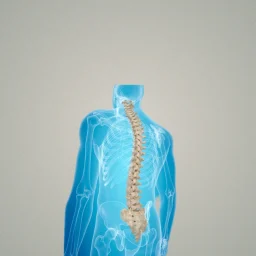
- Chiropractic Care: Joint mobility and spinal alignment to optimize running mechanics.
- Massage Therapy: Reducing tension, improving circulation, and aiding recovery.
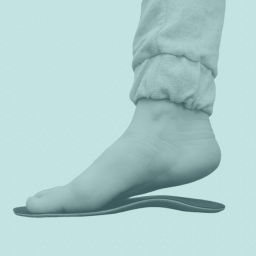
- Custom Orthotics: Some of our orthotics are specifically designed for long-distance runners to support foot mechanics and endurance.
Whether you’re training for your first 5K or aiming for a personal best in the Army Run, our collaborative team is here to keep you strong, mobile, and pain-free.
Getting Ready for the Army Run? We Can Help!
If you’re running in the Canada Army Run this September in Ottawa, now is the time to prepare. Incorporating the right stretching routine—and seeking the right professional support—can help you cross the finish line feeling strong.
👉 Book your appointment today at our ByWard Market or Glebe clinic and let our team help you run your best race.
Frequently Asked Questions About Stretching for Runners
-
Should I stretch before or after running?
It depends on the type of stretch. Dynamic stretching is best before running to warm up the muscles, while static stretching is best after running to improve flexibility and aid recovery.
-
What is the difference between static and dynamic stretching?
- Dynamic stretching uses movement to prepare your muscles and joints for exercise.
- Static stretching involves holding a position for 20–30 seconds to improve flexibility and relax muscles.
-
Why is dynamic stretching important for runners?
Dynamic stretches increase blood flow, raise your heart rate, and activate the muscles you’ll use while running. This helps reduce the risk of injury and improve performance, especially before long-distance events like Ottawa’s Army Run.
-
Can static stretching cause injuries if done before running?
Static stretching before a run can reduce muscle power and may increase the risk of strain. That’s why it’s best reserved for after your run, when your muscles are warm and need recovery.
-
What other services can help Ottawa runners prepare for races?
At CURAVITA, we support runners with:
- Physiotherapy for injury prevention and recovery
- Chiropractic care to optimize running mechanics
- Massage therapy for muscle tension and recovery
- Custom orthotics designed specifically for long-distance running
ByWard Market
Email: info.byward@curavita.com P
Glebe
Email: info.glebe@curavita.com P