
Pickleball Elbow: What Players Need to Know About This Common Injury
Pickleball continues to rise in popularity, drawing in players of all ages for its fast-paced rallies, strategic play, and social appeal. But with this surge in activity comes a rise in injuries, and one of the most common among pickleball players is “pickleball elbow”. Known medically as lateral epicondylitis, this condition is more widely recognized as tennis elbow.
At CURAVITA Health Group, we regularly see patients struggling with elbow pain caused by racket or paddle sports. With a combination of prevention, proper equipment, and collaborative healthcare, players can manage and reduce their risk of developing this painful condition.
Why Does Pickleball Elbow Happen?
Pickleball elbow develops from repetitive stress and overuse of the forearm muscles that attach to the outside of the elbow. Each time you grip the paddle, swing, or snap your wrist during a shot, those muscles are activated. Over time, this repetitive motion can lead to tiny tears in the tendon at the elbow, causing pain, inflammation, and weakness.
For pickleball players, certain factors increase the risk:
- Frequent play without adequate rest
- Improper paddle grip size or poor technique
- Over-gripping the paddle during volleys and smashes
-
Playing on hard surfaces that increase shock transmission through the arm
The result? Pain that starts on the outside of the elbow and may radiate into the forearm and wrist, often making even simple daily activities uncomfortable, like turning a doorknob or lifting a coffee mug.
Prevention is Key
Just like with ankle sprains, prevention is the best approach. Here’s how pickleball players can reduce their risk of developing elbow pain:
1. Warm Up and Stretch
Before stepping onto the court, take a few minutes to warm up your muscles. Dynamic stretches for the forearms and wrists, such as wrist circles or light resistance band exercises, can improve circulation and prepare the muscles for repeated use.
2. Check Your Paddle Grip
Using the right paddle makes a big difference. A grip that is too small can force you to over-grip, while a grip that is too large can strain your forearm. Choose a paddle size that fits comfortably in your hand.
3. Strength and Conditioning
Building strength in your forearm, wrist, and shoulder muscles can improve resilience and reduce strain on the elbow. Simple exercises like wrist curls, reverse curls, and grip squeezes can help prevent injury.
Recovering From Pickleball Elbow
If you develop symptoms of pickleball elbow, early treatment is important to avoid long-term issues. At CURAVITA, we take a collaborative approach to care, which may include:
- Chiropractic care to improve joint mobility and function
- Physiotherapy exercises focused on strengthening and stretching the forearm
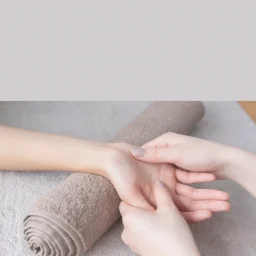
- Massage therapy to ease muscle tightness and promote healing
-
Activity modifications and ergonomic advice to reduce repetitive strain
With the right care, most patients see significant improvement and can return to the court without pain.
Stay in the Game
Pickleball elbow may be common, but it doesn’t have to keep you off the court. With proper warm-up routines, paddle grip adjustments, supportive footwear, and professional care, you can protect your elbows and continue enjoying this fast-growing sport.
If you’re dealing with elbow pain or want guidance on injury prevention, the team at CURAVITA Health Group is here to help. Our goal is to keep you moving pain-free and ready to play!