

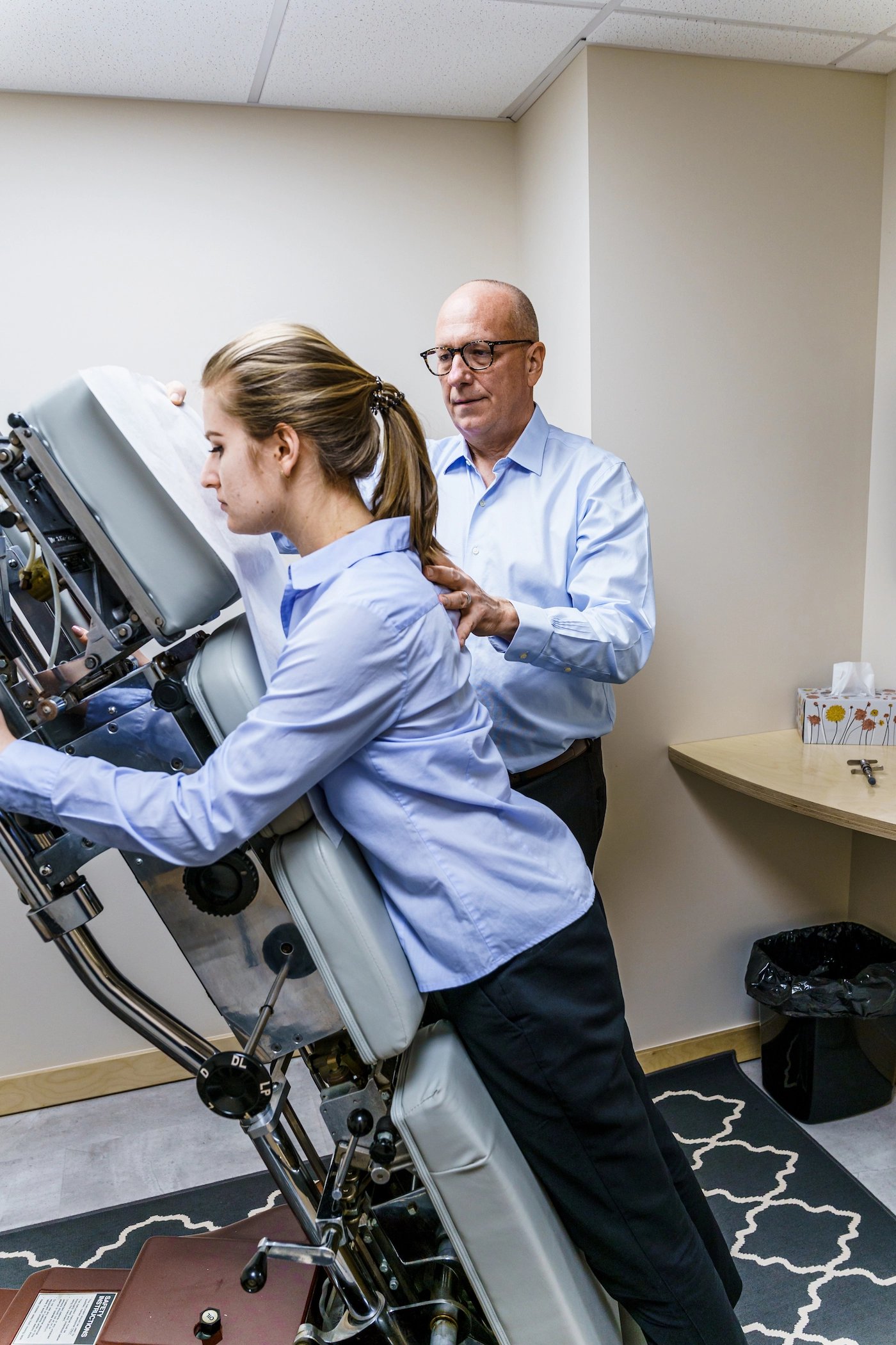
Collaborative care for your patients
CURAVITA’s chiropractors, physiotherapists, registered massage therapists and custom orthotics team work alongside family physicians, nurse practitioners, specialists and other health professionals across Ottawa. Our approach is built on trust, respect and clear communication, with the patient at the centre of every decision.
When you refer a patient to us, we assess them, share our findings with you, and keep you informed as care progresses, so your patient moves through one coordinated plan rather than separate appointments.
You can refer a patient to either of our clinics:
- CURAVITA Glebe, 108A Third Avenue, Ottawa, ON K1S 2J8. Telephone 613-237-9000, fax 613-237-9083
- CURAVITA ByWard, 333 Cumberland Street, Ottawa, ON K1N 7J3. Telephone 613-860-8600, fax 613-237-9083
Please fax referrals and clinical information. For general questions, or to arrange an outreach session, email [email protected]. To protect patient privacy, please do not send detailed health information by email.
Patients do not need a referral to see our practitioners, and many book directly. Some insurance plans do require a physician’s referral or prescription, particularly for massage therapy and custom orthotics, so a referral from you can help your patient with reimbursement. Shockwave therapy is available at our Glebe clinic only.
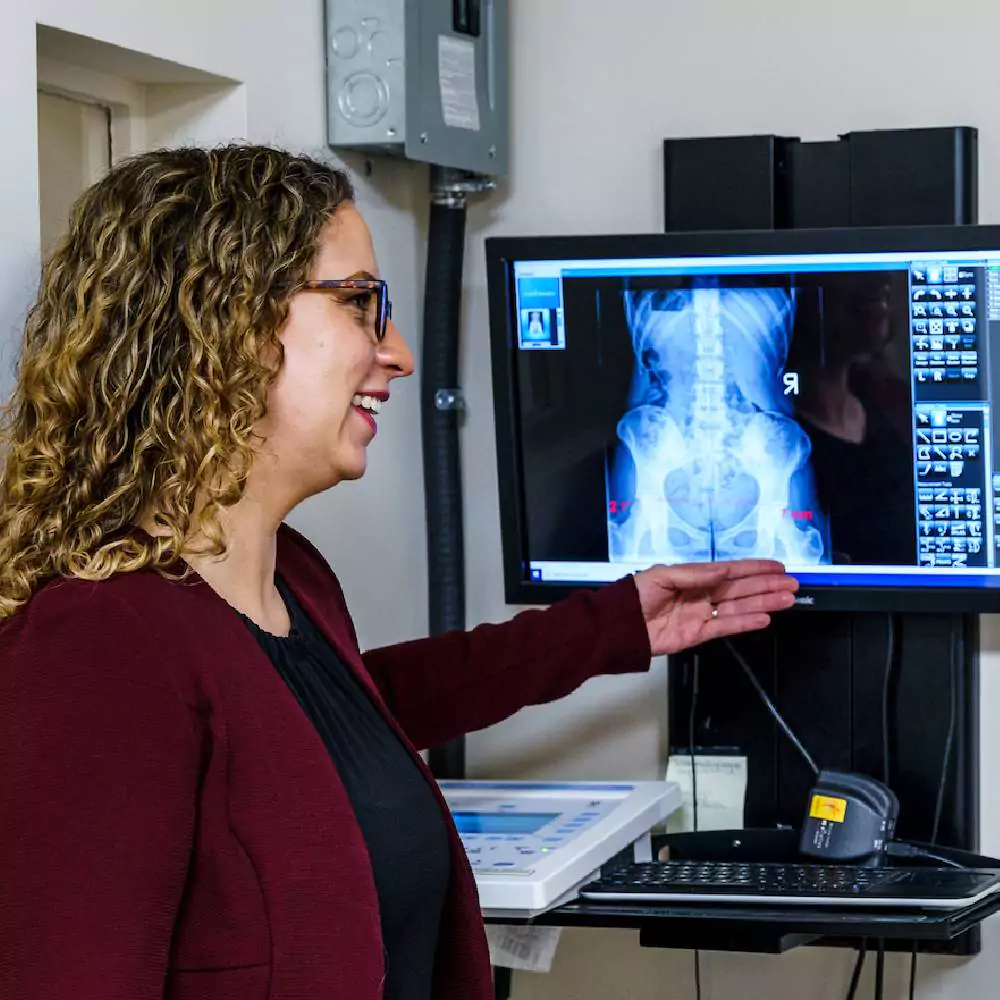
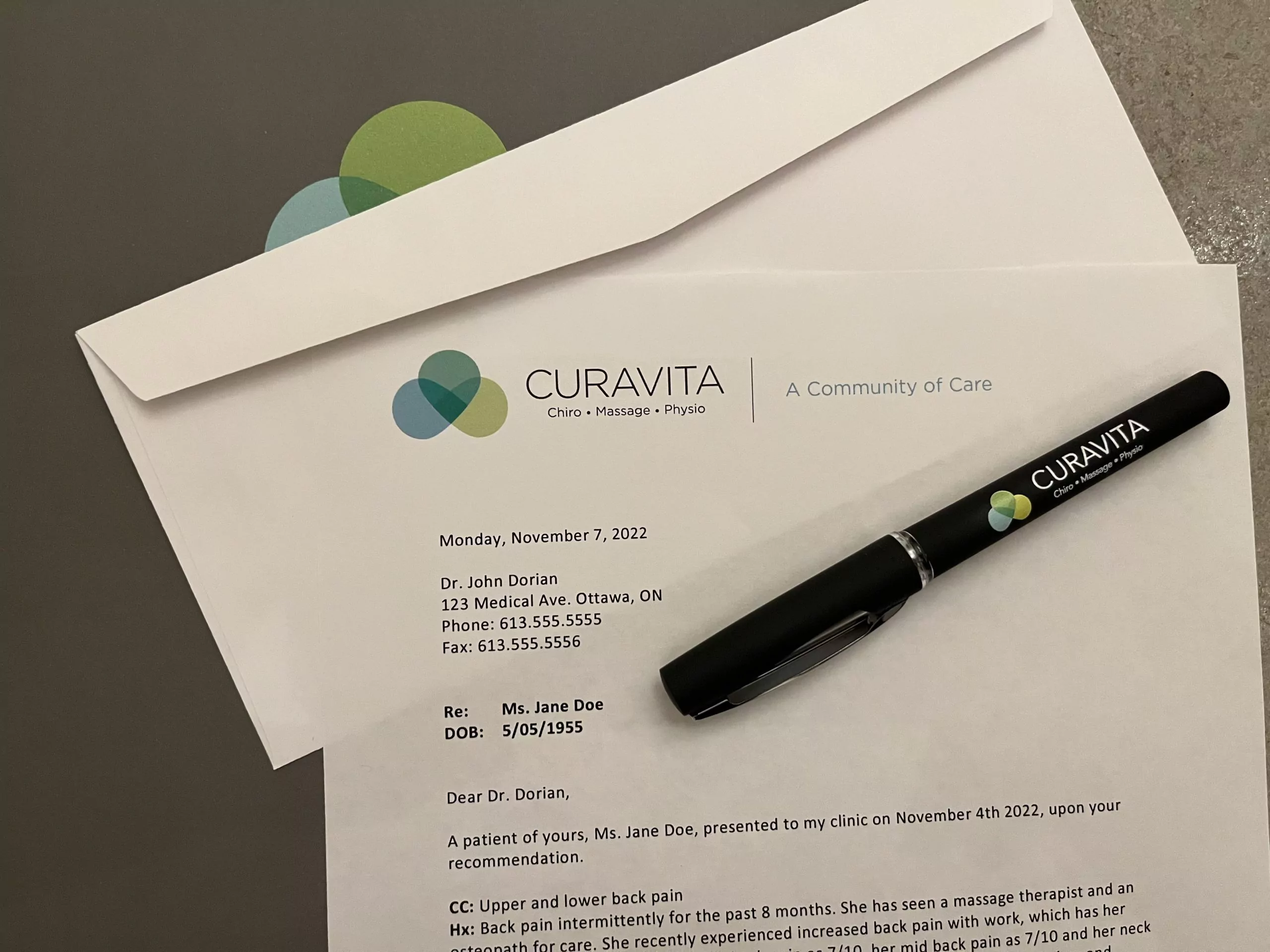
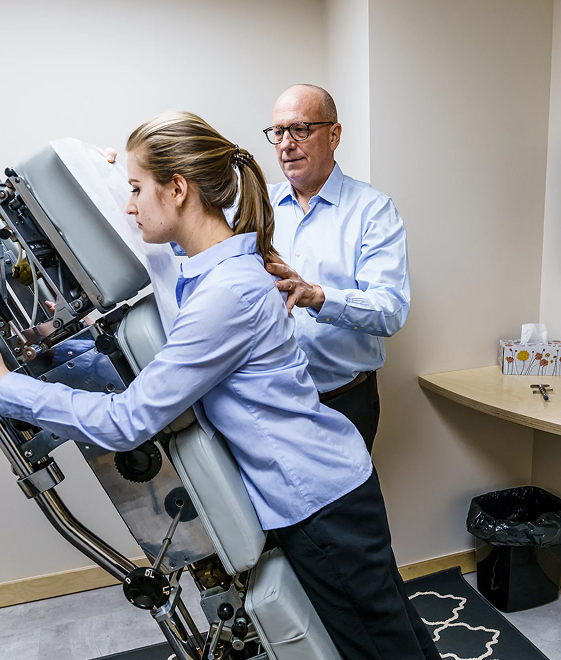
After the initial assessment, our chiropractors and physiotherapists send you a report covering their examination findings, diagnosis and plan of care, including x-ray interpretation where chiropractic x-rays were taken. Progress and discharge reports follow as care continues. Sample reports:
Chiropractors are already part of Ontario’s own low back pain pathway. The provincially funded Rapid Access Clinics for Low Back Pain (RAC-LBP), launched in 2017, use chiropractors and physiotherapists with specialized training as Advanced Practice Providers. They assess patients referred by family physicians and nurse practitioners across 16 regional hubs. More than 50 chiropractors work as Advanced Practice Providers, and chiropractors hold 7 of the 14 Practice Lead positions.7,8
The clinics grew out of Ontario’s Inter-professional Spine Assessment and Education Clinics (ISAEC) pilot, which ran from 2012 to 2017. Its chiropractors and physiotherapists saw more than 6,500 patients. Results reported for the pilot:9
- 96% of surgical referrals were appropriate, compared with 20 to 30% before the program
- Low back pain imaging by participating family physicians fell 28% in the first year
- 99% of patients were satisfied, and 97% of participating physicians reported satisfaction with the program
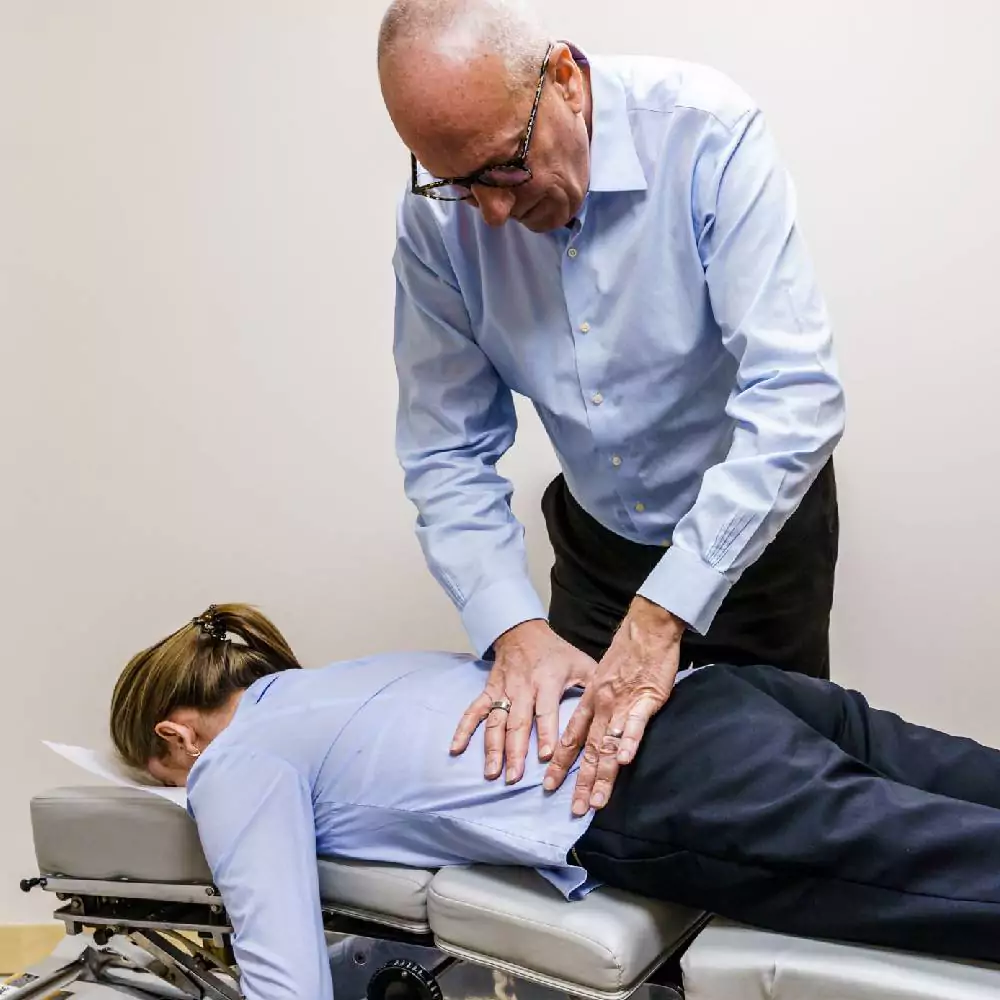
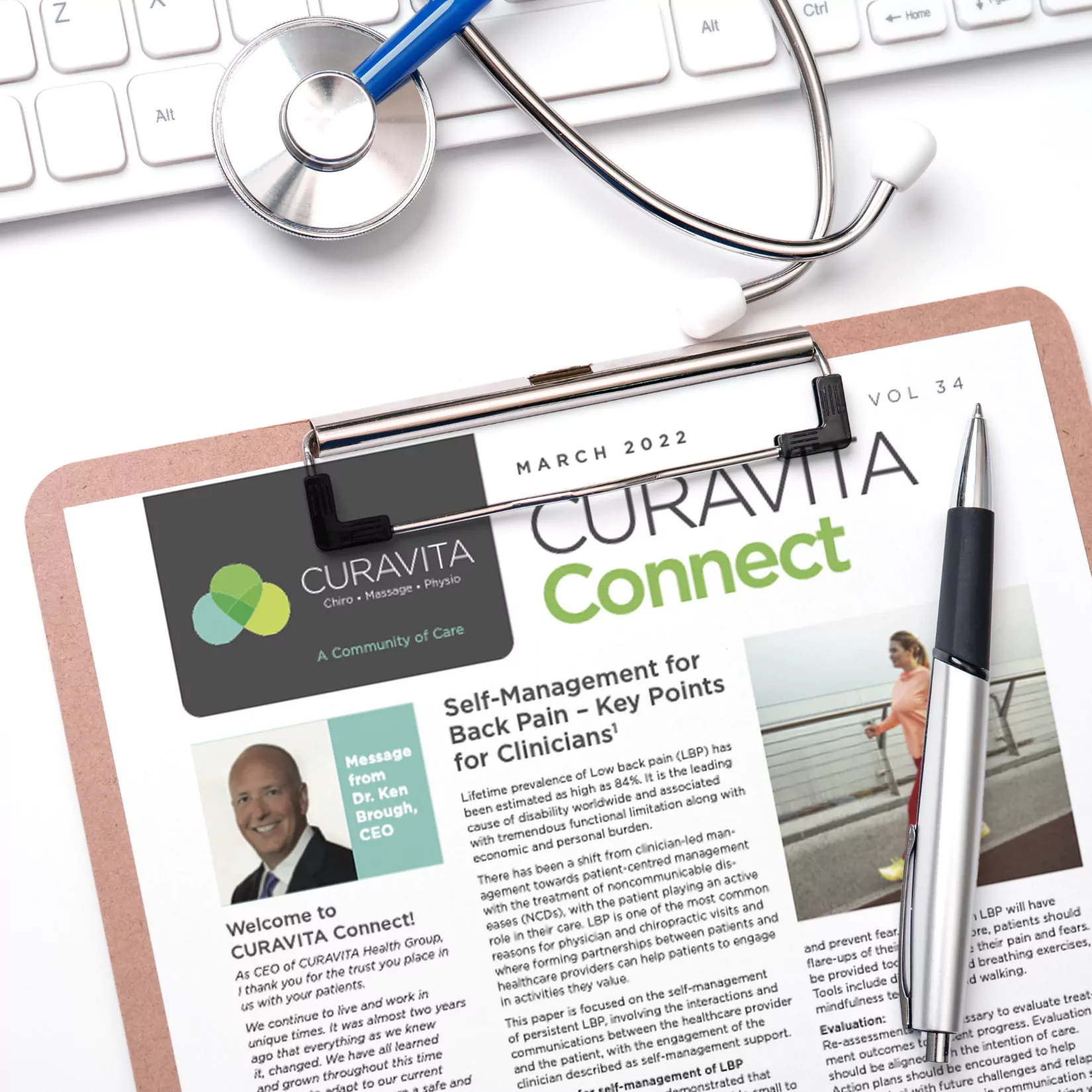
We offer lunch-and-learns, case reviews and Q&A sessions on musculoskeletal care for physicians, family health teams and other health partners in the Ottawa region. To arrange a session or to discuss a patient, contact Dr. Ken Brough, CEO, through [email protected].
Musculoskeletal (MSK) conditions are the leading contributor to disability worldwide, affecting about 1.71 billion people.1 Low back pain is the single largest part of that burden: it affected 619 million people in 2020, is projected to reach 843 million by 2050, and remains the leading cause of years lived with disability.2
The burden is just as visible close to home. About 6 million adults in Canada, 1 in 5, live with arthritis.3 In Ontario, 3.1 million adults (28.5%) saw a physician for an MSK disorder in a single year, and MSK disorders accounted for 13.4% of all outpatient physician visits.4
Current guidance supports non-drug care. Ontario Health’s 2025 quality standard for acute low back pain recommends offering additional nonpharmacological therapies, including clinician-directed exercise, superficial heat, massage therapy, acupuncture and manual therapy, when symptoms do not improve with activity and self-management.5 The American College of Physicians recommends non-drug treatment first, including heat, massage, acupuncture and spinal manipulation for acute and subacute low back pain, and exercise and spinal manipulation among the options for chronic low back pain.6
Chiropractors, physiotherapists and registered massage therapists provide these therapies every day. Working alongside your practice, we can give your patients timely access to these therapies at two Ottawa locations.
REFERENCES
- World Health Organization. Musculoskeletal health, fact sheet. 14 July 2022 (Global Burden of Disease 2019 data).
- GBD 2021 Low Back Pain Collaborators. Global, regional, and national burden of low back pain, 1990 to 2020, its attributable risk factors, and projections to 2050. Lancet Rheumatology. 2023;5(6):e316 to e329.
- Arthritis Society Canada. Arthritis facts and figures (Status of Arthritis in Canada, 2023, based on the Canadian Community Health Survey 2015 to 2021).
- Power JD, Perruccio AV, Paterson JM, et al. Healthcare utilization and costs for musculoskeletal disorders in Ontario, Canada. Journal of Rheumatology. 2022;49(7):740 to 747.
- Ontario Health. Low back pain: care for adults with acute low back pain. Quality standard, August 2025.
- American College of Physicians. Noninvasive treatments for acute, subacute, and chronic low back pain. Annals of Internal Medicine, February 2017.
- Rapid Access Clinics for Low Back Pain. Information for patients.
- Ontario Chiropractic Association. Access appropriate low back pain care.
- Rampersaud R. Ontario Inter-professional Spine Assessment and Education Clinics (ISAEC): patient, provider and system impact of an integrated model of care for the management of low back pain. International Journal of Integrated Care. 2022;22(S2).