
Clinically reviewed by Dr. Valérie Robichaud, Chiropractor, CURAVITA Glebe
Headaches can be relatively common and for some have almost become “normal”. But there’s nothing normal about having headaches on a regular basis. First, it’s important to figure out what the source of the headache is and if there is something you can do to help reduce the intensity and frequency or eliminate them altogether.
Types Of Headaches:
The location of the headache, the sensation, the intensity, frequency, and when the headache comes on, can all be clues to help decipher what kind of headache you are experiencing.
Tension Headache
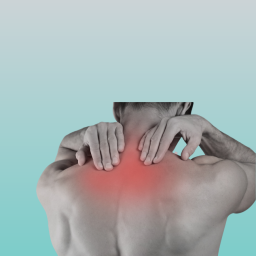
A tension headache is often described as a tight band around your head. They are a very common type of headache. The pain tends to be dull and achy, or a pressure sensation. It is often accompanied by tenderness in the scalp, neck and/or shoulders.
Migraine
Migraine headaches can cause intense throbbing pain typically on one side of your head. The pain may be accompanied by light and sound sensitivity, nausea and vomiting. The symptoms may last for a few hours to a few days at a time. Some may experience an aura (flashing light, blind spot, tingling) preceding the migraine. Linger symptoms post-migraine may include dizziness, fatigue, and confusion.
Cluster Headache
Cluster headaches are less common than the other types, however, the pain can be very intense. The pain from cluster headaches is thought to come from one of the nerves in your face; the trigeminal nerve. The irritation of this nerve can cause intense pain in the face, typically around the eye which typically lasts 30-90 minutes.
Cervicogenic Headache
Cervicogenic headaches are considered secondary headaches meaning that the source of the issue is originating outside of where the pain is experienced. In this case, the culprit is the various structures in the neck. The pain is typically described as unilateral (on one side of the head or face), accompanied by a stiff neck and pain with neck range of motion.
Chiropractors are trained to access and manage headaches, however co-management with another healthcare provider may be needed depending on the patient’s case. Evidence supports the use of chiropractic care, including spinal manipulation in the treatment of tension-type and cervicogenic headaches. Many patients also report a reduction in the frequency and intensity of migraine-type headaches with chiropractic care. Massage therapy can also be helpful in alleviating tense muscles in the neck and shoulders which can contribute to headaches.
When To Seek Emergency Care:
Headaches may also be a sign of a more serious condition. Seeing emergency medical attention in the following circumstance may be warranted:
- Abrupt, severe headache that is atypical for you
- Headache accompanied by a fever, stiff neck, mental confusion, seizures, double vision, weakness, numbness, speaking difficulties, nausea, or vomiting
- Headache after a head injury
What you can do
Tracking your headache symptoms can be helpful to you and your healthcare provider. There can be many triggers for headaches including:
- Dehydration
- Fatigue
- Food sensitivities
- Hormonal changes
- Blood pressure
- Nutrient imbalances
- Jaw dysfunction
Knowing when your symptoms occur and where they are located can be helpful in determining the type of headaches and the best course of care. To find out if chiropractic care might be a benefit to you, for more information or to book an appointment with one of our chiropractors, physiotherapists or massage therapists, visit our clinic websites at CURAVITA ByWard and CURAVITA Glebe.
ByWard Market
Email: info.byward@curavita.com
URL: https://curavita.com
Glebe
Email: info.glebe@curavita.com
URL: https://curavita.com