
Six Components Of Pain
Clinically reviewed by Dr. Michèle Corriveau, Chiropractor, CURAVITA ByWard
Unfortunately, pain can be an uncomfortable feeling, but it is necessary. It alerts us that something is wrong with our bodies. It can range from a mild nuisance to debilitating.
1. Tissue Damage:
This could be damage to a muscle, tendon, ligament, joint, bone etc. Pain is like a siren going off in our bodies to say “There’s a problem! Fix me! I’m hurt! Stop doing what you are doing!” It’s often the last symptom to appear and the first to disappear. Pain sensations can vary from a dull ache to a sharp, burning, or stabbing ache, just to name a few.
2. How Our Bodies Perceive Pain:
We have a specific type of nerve cell called a nociceptor which detects tissue damage. These nerves when activated send a signal via the spinal cord to the brain alerting you that there is a problem. They are specialized to detect changes in temperature, pressure, or chemicals (ie. internal changes as a result of infection). Think about the time you put your hand on a hot stove and how quickly you moved your hand away. It happens almost instantly. That’s how fast your nervous system can communicate when it comes to pain.
3. Acute vs. Chronic:
Acute pain is that which occurs with a new injury. It tends to be intense and short-lived. It is your body’s way of letting you know there is tissue damage. Your nervous system is typically stimulated into the “fight or flight” response. Treating the injury will typically resolve this type of pain.
Chronic pain is felt for a longer period of time and is often recurrent in nature. It can be intermittent or constant and intensity can vary. The “fight or flight” response is typically not present as your body has become accustomed to the pain stimulus. In some cases, repeated episodes of acute pain can overstimulate your nerves and cause “wind up” resulting in chronic pain. Your perceived pain level may be higher because of the repetitive overstimulation of the nerves. Your body becomes hypersensitive to pain making symptoms last longer, be more intense, or appear quicker when an area of the body is injured or irritated.
4. Diagnosis :
Diagnosis of the cause of pain is determined from a combination of the patient’s health history and a physical examination. As chiropractors, we will ask you about your current injury, previous injuries as well as your overall health and wellness. From those answers, we will determine the best approach to take with your examination. We will typically conduct muscular strength testing and deep tendon reflexes of the lower and upper extremities to ensure that the nerve communication to your extremities is functioning at its best. We conduct orthopedic testing to determine which joint, muscle or tendon may be affected. If X-Rays are required, we will do those at the time of the initial exam.
5. Management And Treatment:
How you decide to manage your pain depends on the injury. Chiropractic care and massage therapy can help! Chiropractic care can help restore and improve your mobility. Your chiropractor will be able to give you more individualized advice based on your area of concern.
6. How it Can Affect Your Life:
We have all been injured at one point or another. In the short term, pain can put us on the sidelines long enough to rest and recover and seek care from your healthcare provider. Consequently, this is frustrating and annoying in the short term. But, most are comforted by the fact they will be back to doing what they love in no time. For minor injuries, a few days or a few weeks of being restricted from your normal routine may be the extent of the impact.
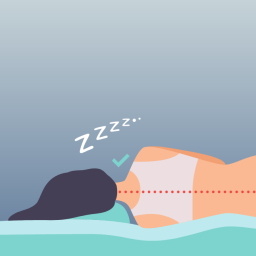
For injuries that are more severe or chronic in nature, the side effects on your mental health can be detrimental. Feeling down, periods of depression or mood changes can be a challenge that comes along with chronic pain. For some people, pain can also affect the amount or quality of sleep having a negative effect on their mental and physical state over time. If you or your loved one is struggling with these issues, talk to your healthcare provider. Remember, being supportive of those going through a difficult time can make a big difference.
Chiropractor’s Role In Pain Management:
Chiropractors are currently part of the discussion at the federal table as part of the Joint Statement of Action to Address the Opioid Crisis. The Canadian Chiropractic Association (CCA) was invited to provide feedback on behalf of its members on the role non-invasive therapies can play in pain management. The new guideline is in line with the CCA’s White Paper responding to Canada’s opioid crisis, A Better Approach to Pain Management. Therefore, conservative chiropractic care can help to alleviate mechanical joint dysfunction thereby reducing acute and chronic pain symptoms. Also, chiropractors recommend exercises to aid in pain reduction and muscle rehabilitation. Chiropractic care can play an important role in the assessment, diagnosis and management of pain related to musculoskeletal origins.
Pain is often seen as a very negative entity. No one likes to experience it, but, we all do at one point or another. Listening to your body’s warning signals can reduce the time needed to heal and get back to living your life to the fullest quickly.
If you are experiencing MSK pain and you are not sure where to start, call the CURAVITA Health Group today to book a comprehensive assessment. Our model of patient-centred care in a collaborative multi-disciplinary environment will ensure you get the right care for your MSK needs. Visit us online or call our ByWard Clinic at 613-860-8600 or our Glebe Clinic at 613-237-9000.