
Pickleball and Ankle Sprains: How to Protect Your Joints and Stay in the Game
Pickleball has become one of the fastest-growing sports across North America, attracting players of all ages for its mix of fun, social connection, and competitive play. But much like other stop-and-start sports, such as tennis, squash, or basketball, pickleball demands quick side-to-side movements and rapid changes in direction. These dynamic movements place extra stress on the ankles, making ankle sprains one of the most common injuries among pickleball players.
At CURAVITA Health Group, we frequently see athletes and recreational players presenting with ankle injuries related to sports such as pickleball. With the right combination of prevention, supportive footwear, custom foot orthotics, and proper care, players can minimize their risk of injury and continue to enjoy the game they love.
Why Ankle Sprains Are So Common in Pickleball
Ankle sprains happen when the ligaments around the ankle are stretched or torn, usually due to rolling the ankle inward (inversion sprain). In pickleball, the side-to-side shuffling, lunging, and sudden stops put athletes at higher risk.
Court surfaces also play a role. Many indoor pickleball courts are set up on hard concrete or gym floors during the winter months. Unlike clay or grass surfaces, concrete does not absorb shock well. This means that more impact is transferred directly to the joints — especially the ankles and knees. Over time, this repetitive stress can increase the risk of both acute injuries (like sprains) and chronic issues (like arthritis or joint pain).
Prevention is Key
While ankle sprains are common, there are several effective ways to lower your risk:
1. Dynamic Warm-Up
Skipping a proper warm-up is one of the biggest mistakes athletes make. A few minutes of active stretching, ankle circles, light jogging, and side shuffles before playing can prepare the muscles and ligaments for quick directional changes. A dynamic warm-up is a game-changer for performance and injury prevention.
2. Supportive Sneakers
Wearing court-specific shoes with good lateral support is essential. Running shoes, which are built for forward motion, do not provide the same level of stability needed for side-to-side movements and can increase the risk of ankle rolling.
3. Custom Foot Orthotics
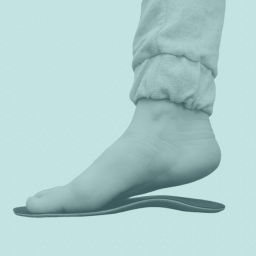
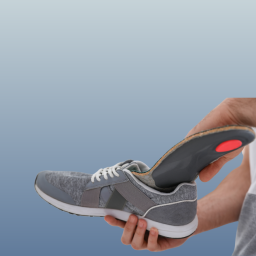
Many of our chiropractic patients have found great relief and support through custom foot orthotics. Orthotics can help stabilize the foot and ankle, absorb shock on hard surfaces, and address underlying conditions such as:
- Osteoarthritis
- Bunions
- Chronic ankle instability from repeated sprains
By improving biomechanics, orthotics not only help with pain relief but also reduce the risk of further injury.
Recovering From an Ankle Sprain
If you do experience an ankle sprain, early and proper care is crucial to avoid chronic instability. At CURAVITA, we use a collaborative approach that may include:
- Chiropractic adjustments to restore joint mobility
- Physiotherapy exercises to strengthen stabilizing muscles
- Massage therapy to reduce muscle tension and improve circulation
- Rehabilitative exercise plans tailored to your sport and recovery goals
Play Safe, Stay Active
Pickleball is a fantastic way to stay active, social, and healthy, but protecting your ankles is key to long-term enjoyment of the game. With the right combination of warm-up routines, proper footwear, custom orthotics, and professional care, you can keep moving confidently on the court and avoid being sidelined by injuries.
If you’re experiencing ankle pain or want to learn more about custom orthotics for pickleball, our team at CURAVITA Health Group is here to help keep you moving on and off the court!
ByWard Market
Email: info.byward@curavita.com P
Glebe
Email: info.glebe@curavita.com P