
Dive Into Wellness: The MSK Benefits of Swimming and Tips for Beginners
When the cold winter months make outdoor activities less appealing, it’s the perfect time to dive into indoor swimming. Swimming is not only a fun and refreshing way to stay active but also offers incredible health benefits, particularly for those with sedentary lifestyles. This low-impact activity is ideal for strengthening the musculoskeletal (MSK) system, improving posture, and addressing the physical toll of sitting at a desk for hours. Here’s why swimming is a top choice for winter fitness and tips to help beginners get started.
The MSK Benefits of Swimming
Swimming engages nearly every muscle in your body, providing a full-body workout that’s gentle on the joints while building strength and flexibility. For individuals with desk jobs, swimming can counteract the negative effects of prolonged sitting and poor posture. Let’s explore how swimming benefits the MSK system:
Strengthening Core and Back Muscles
Swimming requires coordinated movements that engage the core and back muscles. Strokes like freestyle and backstroke are particularly effective in strengthening these areas. A strong core and back are essential for maintaining good posture, reducing back pain, and supporting overall mobility.
Enhancing Joint Flexibility
The buoyancy of water reduces stress on joints, making swimming an excellent choice for individuals with arthritis or joint stiffness. Movements like arm pulls and leg kicks gently increase the range of motion, improving flexibility without the risk of injury.
Building Muscle Strength
Water is 12 times denser than air, creating natural resistance that helps build muscle. Each stroke—whether it’s breaststroke, butterfly, or freestyle—works for different muscle groups, providing a balanced workout that enhances overall strength.
Alleviating Tension from Sitting
Prolonged sitting can cause tension in the neck, shoulders, and lower back. Swimming’s fluid motions help release this tension while improving blood circulation to muscles and tissues that often become tight or fatigued.
Swimming as a Posture Corrector
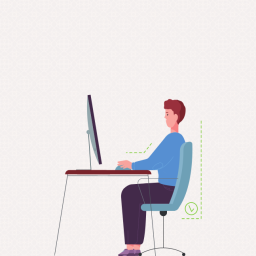
Poor posture is a common issue for those who work desk jobs, leading to imbalances in the MSK system. Regular swimming can help correct these imbalances by:
- Strengthening Postural Muscles: The back, shoulders, and core muscles engaged during swimming help stabilize the spine and promote an upright posture.
- Realigning the Spine: The horizontal position of swimming allows the spine to stretch and decompress, counteracting the compression that occurs during prolonged sitting.
- Improving Shoulder Mobility: Swimming’s overhead motions open up the shoulders, reducing slouching and promoting proper alignment.
Tips for Swimming Beginners
Getting started with swimming can feel intimidating, but it doesn’t have to be. Here are some beginner-friendly tips to make your swimming journey enjoyable and effective:
1. Start with the Basics
If you’re new to swimming, begin with simple strokes like freestyle or backstroke. These strokes are easy to learn and provide a great workout for the entire body. Focus on maintaining a relaxed rhythm and proper breathing technique.
2. Use the Right Equipment
Investing in quality swimming gear can make a big difference. Goggles will help you see clearly underwater, while a well-fitted swimsuit ensures comfort and ease of movement. Kickboards and pull buoys can also be helpful for practicing specific techniques.
3. Take Lessons if Needed
Consider enrolling in a beginner swimming class or hiring a coach. Professional guidance can help you learn proper techniques, avoid common mistakes, and build confidence in the water.
4. Warm Up and Stretch
Just like any other workout, swimming requires a proper warm-up. Stretch your arms, shoulders, and legs before diving in to reduce the risk of cramps or strain.
5. Start Slow and Build Stamina
It’s important to pace yourself as a beginner. Start with shorter sessions and gradually increase the duration and intensity as your fitness improves. Consistency is key to reaping the benefits of swimming.
6. Focus on Breathing
Proper breathing is crucial for an efficient swim. Practice exhaling underwater and inhaling when you turn your head or lift it above the surface. Controlled breathing helps you stay relaxed and swim longer distances.
Indoor Swimming: A Perfect Winter Activity
One of the greatest advantages of swimming is that it’s an indoor activity, making it ideal for the colder months when outdoor exercise might not be feasible. Heated pools provide a warm and inviting environment where you can focus on your fitness without worrying about the weather. Many community centers and gyms offer affordable access to indoor pools, making swimming an accessible option for everyone.
Make Swimming Part of Your Fitness Routine
Swimming is more than just a recreational activity; it’s a powerful tool for improving MSK health, correcting posture, and relieving the stress of a sedentary lifestyle. Whether you’re looking to stay active during the winter months or seeking a low-impact exercise that benefits your whole body, swimming is an excellent choice.
Take the plunge today and experience the transformative effects of swimming. If you’d like to learn more about how exercise can support your musculoskeletal health, our team of chiropractors and physiotherapists is here to help. Our experts can provide personalized advice and assessments to help you achieve your fitness goals. Call us or book an appointment online at CURAVITA ByWard or CURAVITA Glebe to get started!