
Dry Needling vs. Acupuncture in Ottawa Physiotherapy: What’s the Difference?
Many patients are surprised to learn that dry needling and acupuncture can look very similar during treatment.
Both use thin filiform needles. Both may help reduce pain. Both are commonly used in physiotherapy settings for musculoskeletal conditions.
But despite some similarities, dry needling and acupuncture are not exactly the same thing.
At CURAVITA Health Group in Ottawa, one of the most common questions we hear is: “What is the difference between dry needling and acupuncture and which one is right for me?”
The answer depends on your condition, your goals, and the clinical reasoning behind the treatment.
What Is Dry Needling?
Dry needling is a treatment technique commonly used by physiotherapists and other musculoskeletal healthcare providers.
It is based on modern Western medicine principles, anatomy, and neurophysiology. The goal is typically to target tight or irritated muscles, trigger points, connective tissue, or dysfunctional movement patterns.
During treatment, a thin needle is inserted into a muscle or trigger point to help:
- Reduce muscle tension
- Improve mobility
- Decrease pain
- Improve blood flow
- Help normalize muscle function
Sometimes patients feel a quick muscle “twitch” during treatment. This is a normal response and can indicate release of a tight muscle band.
Dry needling is often integrated into a larger physiotherapy treatment plan that may also include:
- Exercise rehabilitation
- Stretching
- Manual therapy
- Strengthening
- Education on posture and movement
What Is Acupuncture?
Acupuncture has roots in Traditional Chinese Medicine and has been practiced for thousands of years.
Traditional acupuncture is based on the concept of balancing energy flow, or “Qi,” through pathways in the body called meridians.
Needles are placed at specific points in the body to influence pain, tension, relaxation, and overall body function.
In physiotherapy settings, some practitioners may use a more modern or “medical acupuncture” approach that combines traditional acupuncture concepts with current anatomical and pain science understanding.
Compared to dry needling, acupuncture is often used with a broader focus that may include:
- Pain management
- Stress reduction
- Relaxation
- Headaches
- Chronic pain conditions
- General wellness support
What Is The Main Difference Between Dry Needling and Acupuncture?
The biggest difference is usually the treatment philosophy and clinical reasoning behind where the needles are placed.
Dry needling typically focuses on:
- Muscles
- Trigger points
- Movement dysfunction
- Neuromuscular pain
Acupuncture traditionally focuses on:
- Meridian pathways
- Energy balance
- Whole-body systems
In practical terms, there can sometimes be overlap.
Both approaches may help with pain relief, muscle tension, and mobility. However, dry needling is generally more focused on treating musculoskeletal dysfunction directly within the muscle and connective tissue system.
What Conditions Respond Well To Dry Needling?
Dry needling is commonly used for musculoskeletal conditions, especially when muscle tightness or trigger points are contributing to pain or movement restriction.
Conditions that may respond well include:
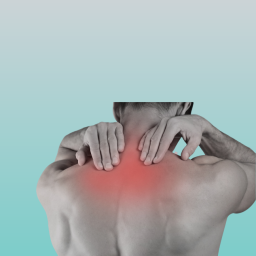
- Neck pain
- Low back pain
- Tension headaches
- Shoulder pain
- IT band tightness
- Tennis elbow
- Plantar fasciitis
- Muscle strains
- Hip tightness
- TMJ dysfunction
- Sports injuries
Research suggests dry needling may help reduce pain and improve short-term mobility in some musculoskeletal conditions, especially when combined with exercise and physiotherapy care.
What Conditions Respond Well To Acupuncture?
Acupuncture is commonly used for both pain management and broader wellness concerns.
Conditions often treated with acupuncture may include:
- Chronic pain
- Osteoarthritis
- Migraines and headaches
- Stress and tension
- Neck and back pain
- Sleep disturbances
- Muscle tension
- Some digestive or systemic concerns
Some studies suggest acupuncture may help activate the body’s natural pain-modulating systems and relaxation responses.
Does Needling Hurt?
This is one of the most common concerns patients have.
Most people tolerate both dry needling and acupuncture very well.
The needles used are extremely thin, much thinner than needles used for injections or bloodwork.
With dry needling, some patients experience:
- A muscle twitch
- Mild cramping sensation
- Temporary soreness afterward
Acupuncture treatments are often described as relaxing and calming.
Some post-treatment soreness can occur after either treatment, but it is usually temporary.
Is Dry Needling or Acupuncture Better?
Neither treatment is universally “better.”
The best option depends on:
- Your condition
- Your goals
- Your symptoms
- Your healthcare provider’s assessment
- Your comfort level with treatment
In many cases, needling techniques work best when combined with a full treatment plan that includes exercise, movement retraining, recovery strategies, and education.
At CURAVITA Health Group, our physiotherapists take an evidence-informed and patient-centered approach to determine whether dry needling, acupuncture, manual therapy, exercise rehabilitation, or a combination of treatments may be most appropriate for your care.
If you are dealing with muscle tension, pain, headaches, sports injuries, or movement restrictions, our Ottawa physiotherapy team in the Glebe and Byward Market is here to help.
Learn more about our services at CURAVITA Health Group.
ByWard Market
Email: info.byward@curavita.com P
Glebe
Email: info.glebe@curavita.com P