
Chiropractic Care for Carpal Tunnel Syndrome in Ottawa: What You Need to Know
Carpal Tunnel Syndrome (CTS) is a common issue for people working and living in Ottawa, especially those spending long hours typing, using a mouse, or doing repetitive tasks. Many patients come to CURAVITA asking whether chiropractic care can help their wrist pain, numbness, or tingling. The short answer: Yes, chiropractic care can be part of an effective, evidence-based approach to managing carpal tunnel symptoms. It may not replace medical care in severe cases, but for many people, conservative care provides meaningful relief.
Here’s what you need to know.
1. What is Carpal Tunnel Syndrome and why does it happen?
Carpal Tunnel Syndrome occurs when the median nerve gets compressed as it passes through the carpal tunnel — a narrow passage in the wrist. This nerve supplies sensation to the thumb, index, middle finger, and half of the ring finger.
Common symptoms include:
- Numbness or tingling in the fingers
- Wrist pain that may extend up the forearm
- Weak grip strength
- Hand stiffness, especially in the morning
- Dropping objects unexpectedly
In Ottawa, we often see CTS among:
- Computer workers in government or tech
- Healthcare workers
- Artists or musicians
- Hair stylists, estheticians, baristas
- Parents lifting young children
Repetitive strain, prolonged poor wrist posture, or inflammation can contribute to this condition. Sometimes the problem also involves the neck, shoulder, or elbow, areas that affect the median nerve as it travels down the arm.
2. How can chiropractic care help Carpal Tunnel Syndrome?
Chiropractors don’t just look at the wrist. We assess the entire nerve pathway from the neck to the fingertips. This whole-body approach is especially helpful when symptoms are caused or worsened by tension higher up in the arm or neck.
At CURAVITA, chiropractic care for CTS may include:
- Joint Mobilization & Manipulation: Improving mobility in the wrist, elbow, and cervical spine can reduce nerve irritation and help restore normal movement patterns.
- Soft Tissue Therapy: The muscles of the forearm, wrist, and neck can contribute to nerve compression when they’re tight. Hands-on therapy can reduce tension and support better function.
- Nerve Glide Exercises: These gentle movements help improve nerve mobility and reduce symptoms like tingling or numbness.
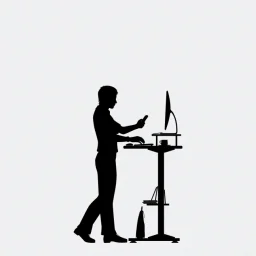
- Ergonomic Advice: Many Ottawa workers experience CTS because of workstation setup. Your chiropractor may adjust your monitor height, keyboard angle, forearm support, or mouse use to reduce strain.
- Activity Modification & Strengthening: We help you identify tasks that worsen symptoms and build strength in supporting muscles of the shoulder and forearm.
Chiropractic care can be especially effective when CTS symptoms are mild to moderate and when the cause involves both the wrist and other parts of the upper limb.
3. Is chiropractic care right for all cases of Carpal Tunnel Syndrome?
Not every case of CTS responds to conservative care. Chiropractic care works best when:
- Symptoms are intermittent, not constant
- Grip strength is only slightly reduced
- Symptoms worsen with certain positions or tasks
- The median nerve is irritated but not severely compressed
- There are contributing factors in the neck or forearm
However, if symptoms include:
- Progressive weakness
- Significant muscle wasting at the base of the thumb
- Night pain that no longer improves with wrist splints
- Loss of fine motor control
…you may need a referral to your family doctor for further investigation. Chiropractors at CURAVITA work closely with other healthcare providers to ensure you receive the right level of care at the right time.
4. What can I expect at my first Chiropractic visit?
Your chiropractor will begin with a thorough examination, which may include:
- Orthopedic tests for wrist and forearm
- Sensory testing for numbness
- Grip strength and functional assessment
- Evaluation of the neck and upper back
- Postural assessment
- Review of computer or repetitive task demands
If chiropractic care is appropriate, you will receive a clear, individualized plan. If needed, we may collaborate with our physiotherapy or massage therapy teams to provide a comprehensive approach.
5. What else can help manage Carpal Tunnel Syndrome?
In addition to chiropractic care, many patients benefit from:
- Night wrist splints to keep the wrist neutral
- Stretching and strengthening exercises
- Massage therapy for forearm tension
- Physiotherapy for movement retraining
- Ice or contrast therapy during flare-ups
- Short-term activity modification
Combining these strategies often leads to better long-term results than relying on a single treatment.
Carpal Tunnel Syndrome can be frustrating, especially when it affects your work, hobbies, or sleep. The good news is that many people in Ottawa find relief with a conservative, evidence-based chiropractic approach. At CURAVITA in the Glebe and ByWard Market, our chiropractors assess the whole upper limb (not just the wrist) to provide personalized care that gets to the root of the problem.
If wrist pain, tingling, or weakness is affecting your daily life, book an appointment with one of our chiropractors today. We’re here to help you get back to doing what you love.
ByWard Market
Email: info.byward@curavita.com
Glebe
Email: info.glebe@curavita.com