
Stay Grounded and Reduce Stress with the Benefits of Diaphragmatic Breathing
In today’s fast-paced world, stress is an inevitable part of life. Prolonged stress response can take a toll on both our mental and physical health. Stay grounded and decrease the constant fight or flight physical state in difficult or stressful times with the benefits of diaphragmatic breathing. Also known as belly breathing, or abdominal breathing, diaphragmatic breathing is a simple yet powerful tool to help us stay grounded, reduce stress, and improve overall well-being.
Chest Breathing vs. Diaphragmatic Breathing
Many people engage in chest (thoracic) breathing without realizing it. This type of breathing is shallow, primarily expanding the ribcage and engaging muscles in the neck and upper chest. Over time, this can lead to increased muscle tension, poor posture, and reduced oxygen intake—making the body feel more fatigued and stressed.
On the other hand, diaphragmatic breathing activates the diaphragm, the large muscle at the base of the lungs. This allows for deeper, more efficient breaths, increasing oxygen flow, reducing muscle tension, and promoting relaxation. A systematic review published in the JBI Database of Systematic Reviews and Implementation Reports (2019) found that diaphragmatic breathing significantly reduces both physiological and psychological stress in adults, making it a valuable tool for overall health.
4 Major Health Benefits of Diaphragmatic Breathing
1. Pain Relief
Engaging in deep breathing reduces muscle tension and spasms, particularly in the neck, shoulders, and back. Since shallow breathing places excessive strain on these muscles, switching to diaphragmatic breathing helps alleviate tension and discomfort, improving mobility and reducing pain.
2. Improved Posture and Joint Health
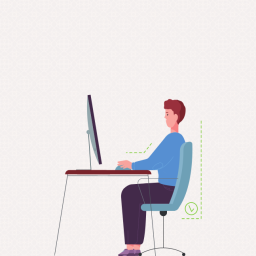
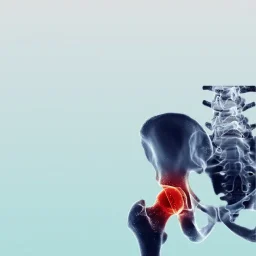
Breathing deeply through the diaphragm naturally promotes better postural support and joint health. Slouching and poor posture are often linked to chest breathing, leading to compromised joint function and increased strain on the body. Practicing diaphragmatic breathing encourages proper spinal function, reducing strain on the body and supporting long-term joint health.
3. A Calmer Mind and Lighter Mood
Stress, anxiety, and even depression can be linked to shallow, rapid breathing. By slowing down the breath and engaging the diaphragm, the body activates the parasympathetic nervous system, which signals relaxation. This technique has been shown to lower cortisol (the stress hormone), making it easier to manage emotional and mental stress.
4. Increased Focus and Productivity
Diaphragmatic breathing optimizes oxygen intake, ensuring the brain and muscles receive the nutrients they need to function at their best. This leads to higher energy levels, better concentration, and enhanced cognitive performance—all of which contribute to improved productivity and well-being.
Take Control of Your Health
At CURAVITA Health Group, we empower our patients with evidence-based tools to manage stress, pain, and posture—right from the comfort of their own homes. Diaphragmatic breathing is just one technique we encourage as part of a proactive, holistic approach to health. Regular chiropractic check-ups help support proper spinal and joint function, while proper breathing techniques keep your mind and muscles balanced.
If you’re ready to take control of your stress, joint health, and overall well-being, book an appointment with your chiropractor today. Let’s work together to keep you feeling your best—every breath of the way! To book your appointment please visit our clinic websites at CURAVITA ByWard or CURAVITA Glebe.
ByWard Market
Email: info.byward@curavita.com
Glebe
Email: info.glebe@curavita.com