
Patient Education Series on Spinal Health: Understanding Spinal Biomechanics and the Impact on Overall Health
Clinically reviewed by Dr. Sasha Hamid, Chiropractor, CURAVITA ByWard
At CURAVITA Health Group, patient education is at the core of our collaborative approach to care. Many people know the spine is important, but few understand how it works, why alignment matters, or how spinal health influences the rest of the body. This blog breaks down the essentials of spinal biomechanics, common misalignments, and the wide-reaching effects they can have on your overall health and wellness.
Whether you’re experiencing pain, navigating a new diagnosis, or simply curious about how your spine functions, this guide will help you better understand your body and make informed choices about your spinal care.
Understanding Spinal Biomechanics: How Your Spine Works
The spine is a complex structure made up of 24 vertebrae, intervertebral discs, joints, muscles, and ligaments, all working together to protect the nervous system and allow you to move throughout your day.
1. The Spine’s Main Roles
- Supporting your body’s weight
- Protecting your spinal cord, the communication highway of the nervous system
- Allowing movement, including bending, twisting, and rotating
- Maintaining posture and balance
A healthy spine moves smoothly and efficiently, distributing forces evenly to reduce stress on joints and surrounding tissues.
2. The Natural Curves of the Spine
A functional spine has three natural curves:
- Cervical lordosis (neck)
- Thoracic kyphosis (mid-back)
- Lumbar lordosis (low back)
These curves act like springs, absorbing shock and keeping the body balanced. When these curves are altered (often due to posture, injury, or repetitive strain) stress increases on muscles, joints, and discs.
Common Spinal dysfunctions and What Causes Them
Spinal dysfunctions (also known as subluxations, joint restrictions, or biomechanical dysfunctions) occur when one or more vertebral joints stop functioning optimally or lose proper motion. These can develop gradually or suddenly.
Common Causes Include:
- Prolonged static postures (especially sustained sitting)
- Repetitive strain or overuse
- Sedentary lifestyle
- Heavy lifting or improper lifting mechanics
- Sports injuries
- Falls or accidents
- Stress and muscle tension
- Age-related degenerative changes
Dysfunctions affect the way your joints move, which can alter nerve function, muscle balance, and the mechanics of your entire body.
How Dysfunctions Affect Overall Health
Your spine and nervous system are deeply interconnected. When the spine isn’t moving well, these dysfunctions can lead to more than just back pain.
1. Pain and Stiffness
- Local pain or discomfort
- Muscle tightness
- Reduced flexibility
- Headaches or neck tension
2. Nerve Irritation
- Tingling or numbness
- Radiating pain
- Muscle weakness
- Changes in coordination or balance
3. Postural Compensation
When one area of the spine isn’t functioning properly, the rest of the body compensates. This may cause:
- Imbalances in gait
- Uneven pelvis or shoulders
- Increased wear on joints
- Higher risk of injury
4. Systemic Effects
Because the nervous system controls every organ and body function, spinal dysfunctions can go beyond musculoskeletal symptoms. Research suggests that spinal health may influence:
- Stress levels
- Sleep quality
- Immune system
- Digestive system
- Overall adaptability to physical and emotional stress
This is why chiropractic care focuses not only on pain relief but also on supporting the body’s natural ability to function at its best.
How Chiropractic Care Supports Spinal Health
At CURAVITA Health Group in Ottawa, our chiropractors use a patient-centred, evidence-informed approach to restore proper spinal function, strength and mobility.
Chiropractic Interventions May Include:
- Spinal adjustments
- Joint mobilizations
- Soft tissue therapy
- Postural and ergonomic education
- Rehab exercises
- Lifestyle coaching
Chiropractic care aims to:
- Improve spinal biomechanics
- Reduce pain and inflammation
- Enhance nervous system function
- Support long-term mobility and wellness
Your Role in Maintaining a Healthy Spine
Chiropractic care works best when paired with good daily habits. Patients play an active role in their spinal health through:
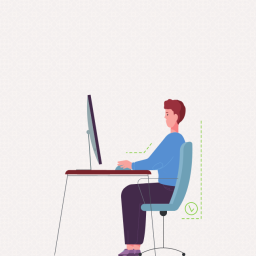
- Changing posture while sitting and standing
- Regular movement and stretching throughout the day
- Strengthening core muscles
- Using supportive ergonomic setups at work
- Staying active with walking, low-impact exercise, or strength training
- Seeking early care for discomfort instead of waiting for symptoms to worsen
Our team guides patients through customized recommendations to help them protect and maintain their spinal health for years to come.
Empower Your Health Through Better Spinal Awareness
Understanding how your spine works gives you the power to care for it intentionally. At CURAVITA, our mission is to educate, empower, and guide you toward better movement, less pain, and optimal overall wellness.
If you’re ready to learn more about your spinal health or would like a personalized assessment, book a chiropractic appointment today at our Glebe or ByWard Market clinics. Visit curavita.local/ to get started.