
The Health Benefits of Decreasing Screen Time: Why Cutting Back Matters More Than Ever
If you work in a modern office, especially in government, you’re almost certainly tethered to multiple screens. A desktop monitor, a laptop, a tablet, and a phone are buzzing away nearby. Screens have become the backbone of communication, productivity, and even relaxation. But as convenient as they are, extended screen time comes with real costs to your physical health, mental well-being, and long-term quality of life.
At CURAVITA Health Group, we regularly treat patients who spend eight to twelve hours a day in front of screens. Many arrive with persistent neck pain, headaches, wrist issues, upper-back tension, sleep disturbances, and a general sense of burnout. What most people don’t realize is that small, consistent changes in screen habits can dramatically improve how you feel, move, and function daily.
This article explores the science-backed health benefits of reducing screen time and offers practical strategies to help you disconnect, recharge, and protect your musculoskeletal health—especially if your job demands hours of digital work.
Less Screen Time Means Better Posture and Less Pain
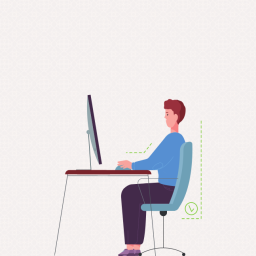
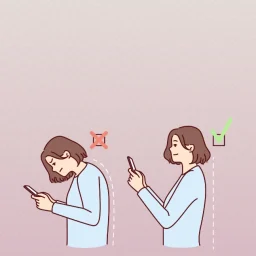
One of the most immediate benefits of reducing screen time is improved posture. When we spend long hours in front of a computer, our body naturally shifts into what clinicians call “forward-head posture.” This is the classic position where the chin creeps forward, the shoulders round in, and the upper back stiffens. It may feel subtle, but the consequences aren’t.
Why posture matters
Every inch your head moves forward increases the load on your neck and upper back. This added strain contributes to:
- Neck pain
- Tension headaches
- Stiffness between the shoulder blades
- Shoulder fatigue
- Reduced mobility
Even a modest reduction in total daily screen time—combined with improved ergonomics—can reduce muscular strain and help restore a more neutral posture. Patients often report fewer headaches and less end-of-day neck fatigue within just a week of making changes.
Lower Stress and Improved Mental Clarity
Screens bombard us with information. Emails, instant messages, deadlines, news alerts, and social media notifications all compete for your attention. This constant digital stimulation increases cognitive load and keeps your brain in a state of low-grade stress.
Cutting screen time can help you:
- Decrease stress hormones such as cortisol
- Improve focus and attention span
- Reduce irritability
- Enhance productivity by preventing “digital overwhelm”
Interestingly, government workers—who often juggle complex demands, policy updates, and tight timelines—benefit significantly from giving the brain short, regular breaks from screens. Something as simple as five minutes away from your monitor every hour can reset your nervous system and improve mental clarity.
Better Sleep and Healthier Circadian Rhythms
Many of us unwind at the end of the day by scrolling through our phones or watching TV. The problem? Screens emit blue light, which suppresses melatonin, the hormone responsible for helping us fall asleep.
If you’ve ever felt wired at bedtime after an evening of scrolling or late-night laptop work, this is likely why.
Reducing screen exposure, especially in the hours before sleep, can support more restorative rest by:
- Making it easier to fall asleep
- Reducing nighttime awakenings
- Improving overall sleep quality
Better sleep supports your immune system, reduces chronic pain, and boosts your energy the next day. It’s one of the most underrated ways to improve your long-term health.
Less Eye Strain and Fewer Headaches
Digital Eye Strain—or Computer Vision Syndrome—is extremely common among individuals who use screens for work. Symptoms include:
- Dry, burning, or tired eyes
- Blurred vision
- Sensitivity to light
- Difficulty focusing from near to far
- Headaches at the end of the day
Even the best ergonomics and newest monitor can’t fully eliminate eye strain if screen exposure is constant. Reducing your overall daily screen time allows your eye muscles to relax and helps maintain better lubrication and focus.
A helpful rule of thumb is the 20-20-20 rule: every 20 minutes, look at something 20 feet away for at least 20 seconds. These micro-breaks dramatically reduce eye fatigue and help prevent headaches linked to screen use.
Improved Spinal and Joint Health
Extended screen use often leads to long periods of sitting, and prolonged sitting is one of the most common contributors to back pain we see at CURAVITA. When you sit too long, your hips stiffen, your low back compresses, and your spine loses some of its natural mobility.
Reducing screen time naturally encourages more movement. Getting up more often—even if it’s just to stretch, refill water, or walk around the office—helps keep your joints lubricated and your spine mobile.
Lower screen time also supports:
- Better core engagement
- Improved hip mobility
- Less low back compression
- Reduced risk of repetitive strain injuries (RSIs)
For individuals using multiple screens, the physical strain compounds. Minimal adjustments—reducing unnecessary multitasking, closing redundant windows, or using a single primary screen—can lessen the repetitive stress on your neck, shoulders, and wrists.
A Stronger Mind–Body Connection
This one is subtle but powerful. The more time we spend on screens, the less we’re tuned in to our body’s signals.
Patients often don’t notice discomfort until pain is significant enough to interrupt their workday. Reducing screen time, even slightly, helps you become more aware of early tension, fatigue, or discomfort so you can address issues before they escalate.
A stronger mind–body connection also supports:
- Better pacing throughout the day
- More mindful movement habits
- Earlier correction of poor posture
- Improved long-term spinal health
How to Begin Reducing Screen Time (Without Disrupting Your Work)
This doesn’t have to be all-or-nothing. Most office-based professionals can’t simply ditch their screens. Instead, focus on practical, sustainable changes:
- Schedule intentional screen breaks every hour
- Use a standing desk for part of the day
- Keep your phone out of reach during focused work
- Create screen-free routines in the morning and before bed
- Reduce unnecessary digital multitasking
- Set limits on evening TV or scrolling
If you’re unsure where to start, our chiropractic and physiotherapy teams at CURAVITA can help you create a personalized plan that supports your spine, posture, and overall well-being—grounded in ergonomics and healthy movement habits.
Final Thoughts
Screens aren’t going anywhere, but your discomfort doesn’t have to stay. Reducing screen time—even modestly—can improve posture, reduce headaches, support better sleep, and decrease stress. It’s a simple and cost-effective way to enhance your health and well-being, especially if your job requires long hours in front of a monitor.
At CURAVITA Health Group, we’re here to help you move better, feel better, and live better. If you’re experiencing pain or fatigue linked to screen use, book an appointment at our ByWard Market or The Glebe clinic to learn how chiropractic care, physiotherapy, and massage therapy can support your spine and help you build healthier daily habits.
ByWard Market
Email: info.byward@curavita.com P
Glebe
Email: info.glebe@curavita.com P