
Understanding Different Types of Headaches and Migraines: How Chiropractic Care Can Help
Headaches are among the most common nervous system disorders experienced globally. They can range from mildly uncomfortable to severely debilitating. At CURAVITA Health Group, our chiropractors are trained to assess, diagnose, and manage different types of headaches using a conservative, evidence-informed approach.
Understanding the different types of headaches is the first step to finding the most effective care:
1. Migraine Without Aura (G43.0) – Common Migraine
This type of migraine is characterized by recurrent, pulsating headaches often on one side of the head. They are moderate to severe in intensity and can last 4–72 hours. Common symptoms include nausea, vomiting, and sensitivity to light or sound.
2. Migraine With Aura (G43.1) – Classical Migraine
This migraine includes sensory disturbances (auras) such as visual changes, tingling, or speech disturbances that usually occur before the headache begins. Like common migraines, these can also last several hours and greatly impact daily activities.
3. Cluster Headaches (G44.0)
These are extremely painful headaches that occur in clusters, often at the same time each day or night for several weeks. The pain is usually around one eye and can cause eye redness, tearing, nasal congestion, or restlessness.
4. Tension-Type Headaches (G44.2)
These are the most common types of headaches. They often feel like a tight band around the head. They can be episodic or chronic. While typically mild to moderate in intensity, chronic tension headaches can significantly affect quality of life.
How Chiropractors Can Help
Chiropractors are trained to distinguish between different types of headaches through a detailed history and physical examination. Understanding the pattern, location, duration, and associated symptoms allows your chiropractor to determine the likely cause and rule out more serious conditions.
Treatment plans may include:
- Spinal adjustments and mobilizations to improve function
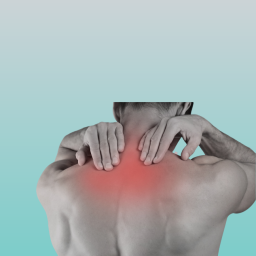
- Soft tissue therapy to reduce muscle tension, especially in the neck and upper back
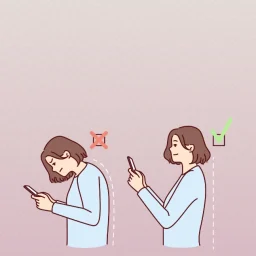
- Postural and ergonomic advice to address contributing lifestyle factors
- Self-care recommendations, such as stretching, hydration, stress management, and sleep hygiene
When to Seek Immediate Care:
- If you experience a sudden onset of a severe headache, changes in vision, difficulty speaking, weakness, or a headache following a head injury, seek emergency medical care. These may be signs of a more serious condition.
At CURAVITA, we are committed to helping you better understand and manage your headaches with personalized, conservative care. Let us help you feel your best, head to toe. Visit curavita.local/ for more information about our clinics, services and practitioners.
ByWard Market
Email: info.byward@curavita.com P
Glebe
Email: info.glebe@curavita.com P