
Lumbar Spinal Stenosis: How Chiropractic Care Provides Conservative and Effective Relief
Understanding Lumbar Spinal Stenosis: How Chiropractic Care Can Help
Lumbar spinal stenosis (LSS) is a condition that affects the lower spine and is one of the most common causes of back and leg pain in adults over the age of 50. It occurs when the spinal canal narrows, placing pressure on the spinal cord and surrounding nerves.
The most common cause of spinal stenosis is osteoarthritis. This is the gradual wear and tear that happens to your joints over time. Spinal stenosis is common because osteoarthritis begins to cause changes in most people’s spine by age 50.
A small number of people are born with back problems that develop into lumbar spinal stenosis. This is known as congenital spinal stenosis. Typically, this occurs in people who are born with a smaller spinal canal; because there is less space within the canal, degeneration, or arthritis, can affect them sooner. Congenital spinal stenosis occurs most often in men. People usually first notice symptoms between the ages of 30 and 50.
Recognizing the Signs of Lumbar Spinal Stenosis
The symptoms of LSS can vary in severity and often progress slowly. Common signs include:
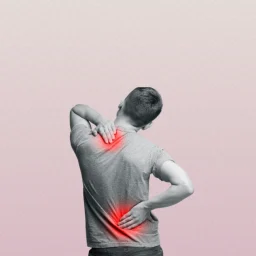
- Low back pain that may radiate into the buttocks, thighs, or legs
- Numbness or tingling in the legs or feet
- Muscle weakness that can affect walking or balance
- Pain that worsens when standing or walking and improves when sitting or bending forward
Because these symptoms overlap with other spinal conditions, proper diagnosis is essential. Chiropractors are trained to assess musculoskeletal disorders and can help determine whether LSS may be contributing to your discomfort.
A Conservative Approach to Managing Lumbar Spinal Stenosis
While surgery can be an option in severe cases, many individuals benefit from conservative, non-invasive care. Chiropractic treatment offers an effective way to manage symptoms, improve mobility, and enhance quality of life—without the risks or recovery time associated with surgery.
At CURAVITA, our chiropractors use evidence-based methods to help patients living with LSS, which may include:
-
Chiropractic Adjustments
-
-
- Gentle, controlled spinal adjustments can restore movement to restricted joints, reduce irritation, and improve spinal alignment.
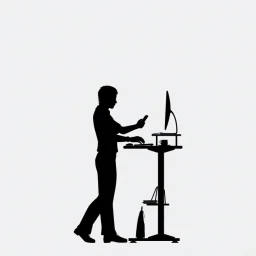
- Postural Education & Ergonomics
- Teaching strategies for daily activities such as sitting, standing, and lifting to minimize strain on the lower back.
-
-
Therapeutic Exercise
-
-
- Targeted stretches and strengthening exercises to support the spine, increase flexibility, and improve stability.
-
-
Lifestyle Guidance
-
- Advice on activity modification, healthy movement, and self-care strategies to reduce flare-ups and prevent progression.
Why Choose Chiropractic Care for Lumbar Spinal Stenosis?
Chiropractic care is conservative, effective, and non-invasive, making it an excellent first-line treatment for LSS. By addressing the root causes of restricted movement and nerve irritation, chiropractic can help patients manage pain, regain mobility, and return to the activities they enjoy.
Many of our patients also appreciate that chiropractic care avoids long-term reliance on medication and focuses on empowering them with tools for self-management.
Take the Next Step Toward Relief
Living with lumbar spinal stenosis doesn’t mean you have to accept ongoing pain and limited mobility. Chiropractic care can provide safe, effective solutions to help you feel and function better.
At CURAVITA, our experienced chiropractors are here to support you every step of the way with personalized care tailored to your needs.
Book online for a consultation with one of our Chiropractors to start your journey toward better spinal health!
ByWard Market
Email: info.byward@curavita.com
Glebe
Email: info.glebe@curavita.com